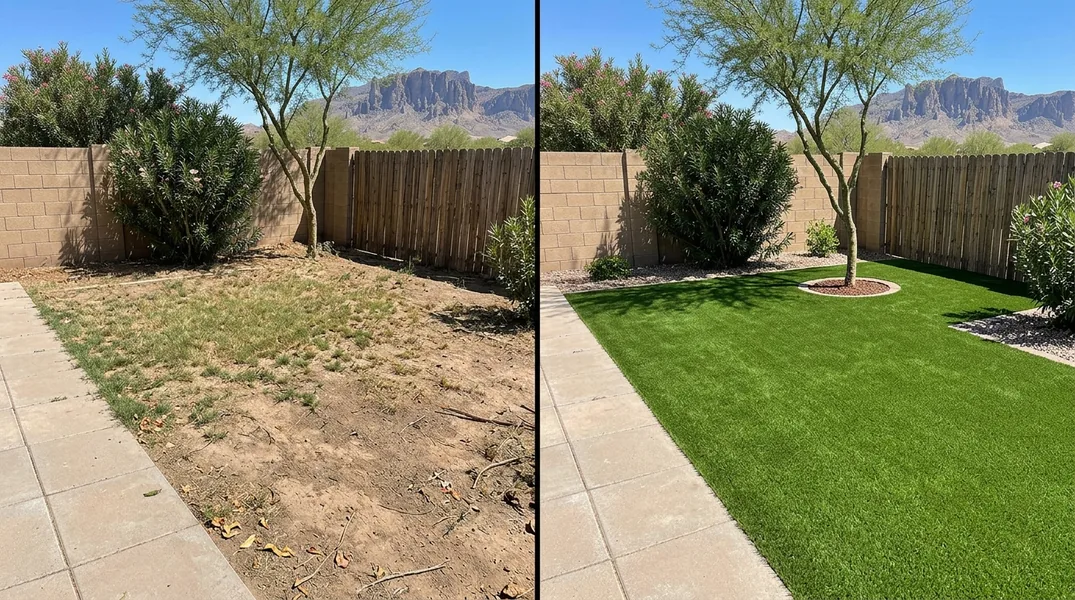
How Hot Does Artificial Grass Really Get in Mesa?
If you're considering Residential Artificial Grass Installation in Mesa, the heat question is legitimate. Arizona's desert climate means intense sun exposure, and artificial turf does absorb and retain more heat than natural grass. The honest answer: yes, artificial grass gets hot in Mesa, but not unmanageably so with the right approach.
Real-world measurements show that artificial grass in direct sunlight can reach surface temperatures between 140°F and 160°F on a typical summer day when ambient air temperature is around 110°F. For comparison, natural grass in the same conditions typically stays 10 to 15 degrees cooler because living grass releases moisture through transpiration, creating a natural cooling effect. However, the turf backing and infill materials play a huge role in how hot your lawn actually becomes, and modern cooling technologies have made a significant difference in managing this issue.
The Science Behind Artificial Turf Heat Absorption
Artificial grass heats up because synthetic fibers and the backing materials underneath absorb solar radiation rather than reflect it. Unlike natural grass, which continuously loses water through its leaves, artificial turf has no biological cooling mechanism. The dark color of most turf fibers and the dense mat structure trap heat close to the surface. Additionally, the infill material (typically silica sand or rubber crumb) acts as a thermal mass, absorbing and storing heat throughout the day and releasing it slowly into the evening.
The good news is that turf manufacturers and installers have developed solutions specifically designed to address artificial turf heat in hot climates like Mesa. Premium turf products now feature reflective fibers, lighter color options, and specially formulated backing that reduces heat transfer. Understanding these options helps you make an informed decision about whether artificial grass fits your needs and lifestyle, especially if you have children or pets who spend significant time outdoors.
Cooling Infill and Modern Heat Reduction Technologies
One of the most effective solutions for managing artificial turf heat is the choice of infill material. Traditional silica sand infill absorbs and retains heat, but newer cooling infill options have changed the game. Zeolite-based infills, recycled rubber with cooling additives, and even organic materials like cork are now available and have been proven to reduce surface temperatures by 10 to 25 degrees compared to standard sand. These cooling infill products work by either reflecting more sunlight or allowing better air circulation through the turf layer, dissipating heat more efficiently.
At Mesa Turf Installation, we recommend evaluating your specific situation before selecting an infill type. If you have a Pet Turf & Dog Run Installation planned, cooling infill becomes even more important because pets are closer to the surface and more sensitive to extreme temperatures. The upfront investment in premium cooling infill is typically recovered through improved comfort and longevity of the installation. When you're ready to explore which cooling solution works best for your yard, reach out to us at (480) 452-1014 for a personalized assessment.
Strategic Shade Solutions for Artificial Grass in Mesa
The most effective way to manage heat is often the simplest: provide shade. In a desert climate like Mesa, strategic shade structures can reduce surface temperatures by 30 to 50 degrees. Shade sails, pergolas, patio covers, and even mature trees create microclimates that keep artificial grass significantly cooler. If you're planning a Pool Surround Turf installation, shade is particularly valuable because it keeps the area comfortable for bare feet and reduces the temperature differential between the pool water and the surrounding surface.
When designing your landscape, consider which areas receive the most intense afternoon sun exposure. East and west-facing areas typically get hotter than north-facing sections. Planting desert-adapted trees or installing shade structures in these zones creates natural cooling zones without sacrificing the aesthetic appeal of your yard. Many homeowners in Northeast Mesa have found that combining modest shade structures with cooling infill creates a genuinely comfortable outdoor space even during peak summer heat.
Residential Artificial Grass Installation Cost in Mesa: What to Budget
The decision to invest in cooling technologies naturally raises questions about cost. Standard artificial grass installation typically ranges from $8 to $15 per square foot, depending on site preparation, turf quality, and infill type. When you add cooling infill materials, you should expect to budget an additional $1 to $3 per square foot. While this increases the upfront investment, many homeowners view it as essential in Arizona's climate, particularly if children or pets will use the yard regularly. Check our pricing page for specific details on how different infill options affect your total project cost.
Beyond infill, shade structures add to the overall investment but provide long-term value through improved comfort, reduced heat exposure, and enhanced outdoor living space. A modest 10x10 foot shade sail might cost $500 to $1,500 installed, while a more substantial pergola could range from $2,000 to $5,000 or more. When evaluated over the 15 to 20 year lifespan of quality artificial grass, these enhancements represent a reasonable investment in a yard that's actually usable during Arizona's hot months. To understand the full cost picture for your specific project, request a free estimate from Mesa Turf Installation.
Is Artificial Grass Right for Your Mesa Home?
After understanding the heat dynamics, you're better positioned to decide whether artificial grass makes sense for your situation. The reality is that artificial turf performs excellently in Mesa when properly installed with appropriate heat management strategies. It requires no watering, stays green year-round, and eliminates the hassle of lawn maintenance in a climate where natural grass demands constant irrigation. For homeowners who value water conservation and low-maintenance landscaping, these benefits often outweigh heat concerns, especially when cooling infill and shade are part of the plan.
However, if you have very young children or pets who spend extended time barefoot on the grass during peak afternoon hours, or if your budget doesn't accommodate cooling infill and shade solutions, you might want to reconsider or plan a phased approach. Some homeowners install artificial grass in shaded areas or use it for specific applications like Putting Green Installation while maintaining natural grass in high-traffic play areas. The best decision starts with a detailed conversation about your specific needs, yard layout, and climate goals. Contact Mesa Turf Installation at (480) 452-1014 to discuss your project and explore solutions tailored to your home and family.
Looking for a professional artificial grass installation company in Mesa? Mesa Turf Installation responds fast for all your artificial grass installation needs.
Get a Free Quote